When planning a trip to Seoul, one of the biggest concerns for travelers is how to get around the city. “Is the subway system too complicated?”, “Can I use credit cards or cash on buses?”
Don’t worry! Seoul boasts one of the most efficient, clean, and safe public transit systems in the world. Once you understand a few basics, traveling around Seoul is incredibly easy and cheap. Here is the 100% practical guide written by a Seoul local!
1. Main Modes of Transportation in Seoul
When traveling within Seoul, transit options are generally categorized as follows:
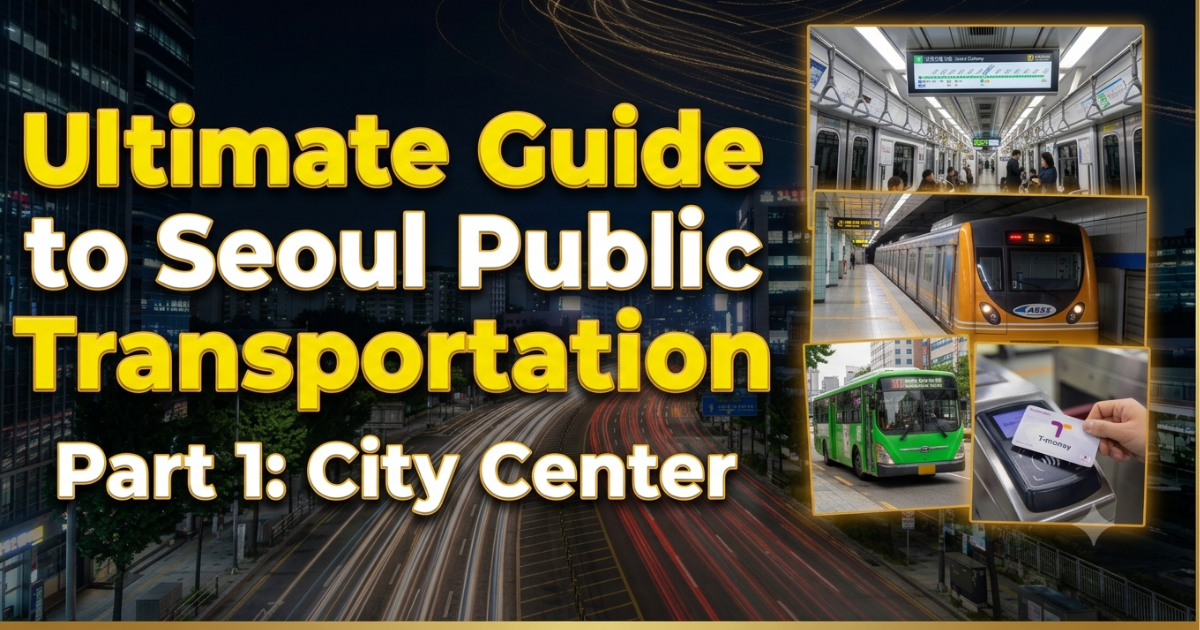
Subway: The absolute backbone of Seoul transit, connecting every corner of the city and neighboring provinces.
City Bus: Perfect for reaching destinations not directly connected by subway stations or for short-distance rides.
Taxi: Convenient, but significantly more expensive and often slower than the subway during traffic hours.
Others (Express Bus, KTX Train, Airplane, Ferry): Used mainly for intercity travel across Korea or sightseeing (e.g., Han River Cruise).
💡 Local Recommendation: For sightseeing within Seoul, relying on the Subway + City Bus combination is the smartest choice.
2. Complete Guide to Seoul City Buses
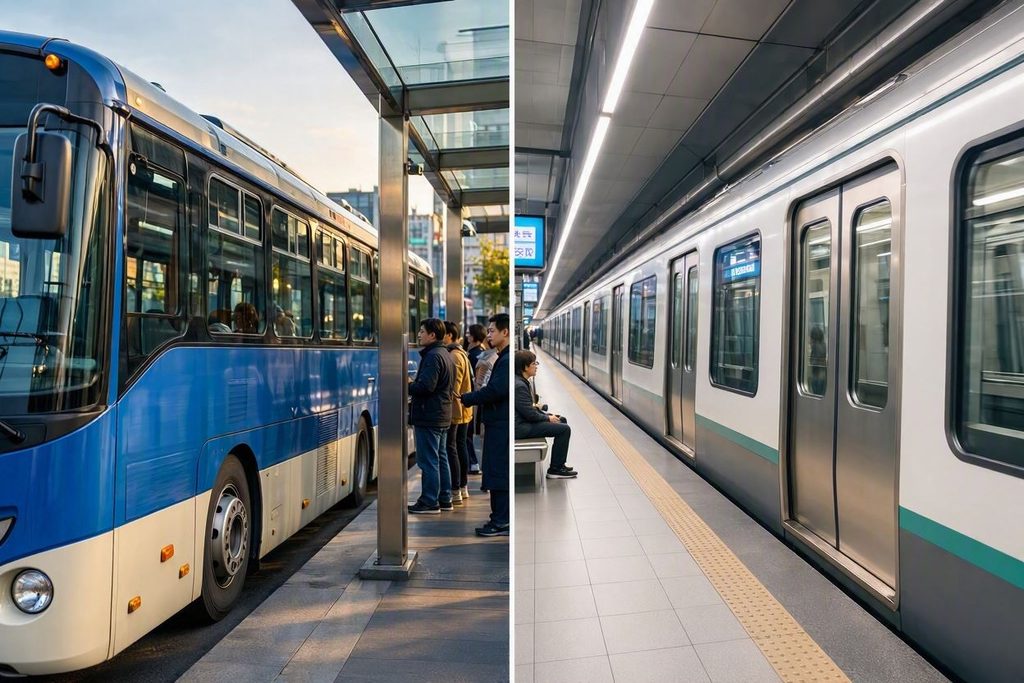
Seoul buses are color-coded based on their route types and operational ranges:
Bus Type
Color
Features & Role
Base Fare (with Card)
Trunk Bus
Blue
Connects major downtown areas and outer districts
₩1,550
Branch Bus
Green
Connects subway stations to residential neighborhoods
₩1,550
Village Bus
Small Green
Covers short local loops within a single neighborhood
₩1,200
Rapid Bus
Red
Direct express route connecting Seoul and Gyeonggi Province
₩3,000
Owl Bus
N-Bus (Night)
Operates late at night from midnight to 4:00 AM
₩2,500
🚌 How to Ride & Essential Bus Etiquette
Boarding & Exiting: Always board through the front door and exit through the middle/rear door.
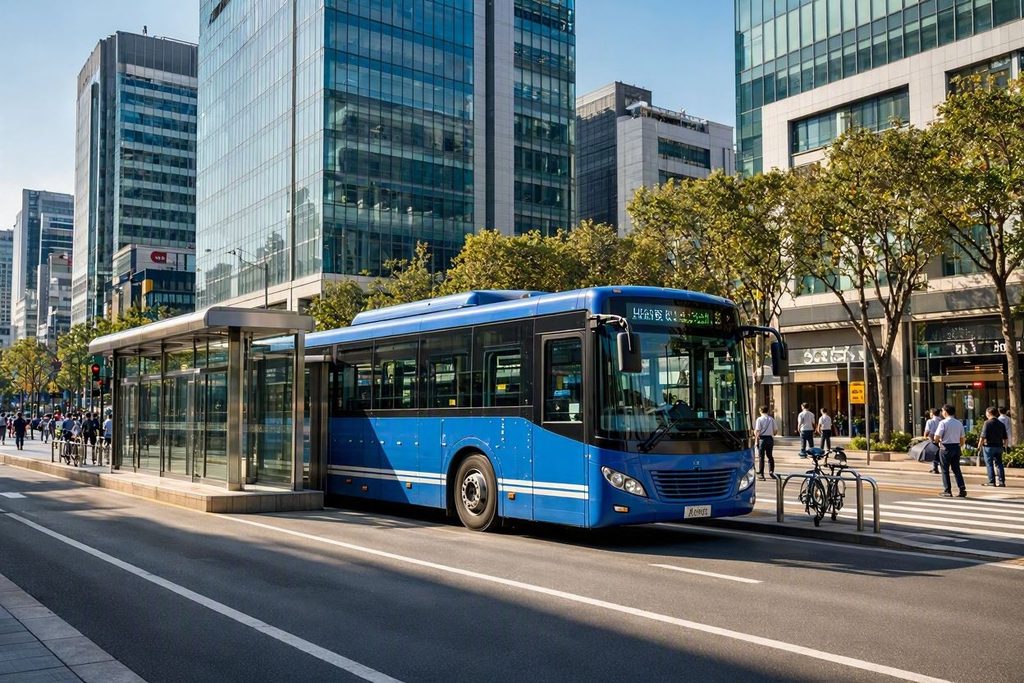
Center-Lane Bus Stops: Many major roads in Seoul have bus-only lanes in the center of the street. Walk across the pedestrian crossing to the island stop in the middle of the road to hop on!
Always Tap In & Tap Out: Tap your card on the reader when getting on, and tap again before stepping off to secure transfer discounts.
Bus Etiquette:
No Open Food/Drinks: Drivers can refuse boarding if you hold open takeout cups or food. Finish or dispose of them before boarding.
Press the red ‘STOP’ button one stop before your destination.
Pros & Cons:
Pros: Enjoy the scenic city views without climbing subway stairs.
Cons: Traffic congestion during peak rush hours (07:30–09:00, 18:00–19:30) can cause delays.
3. Complete Guide to the Seoul Subway System
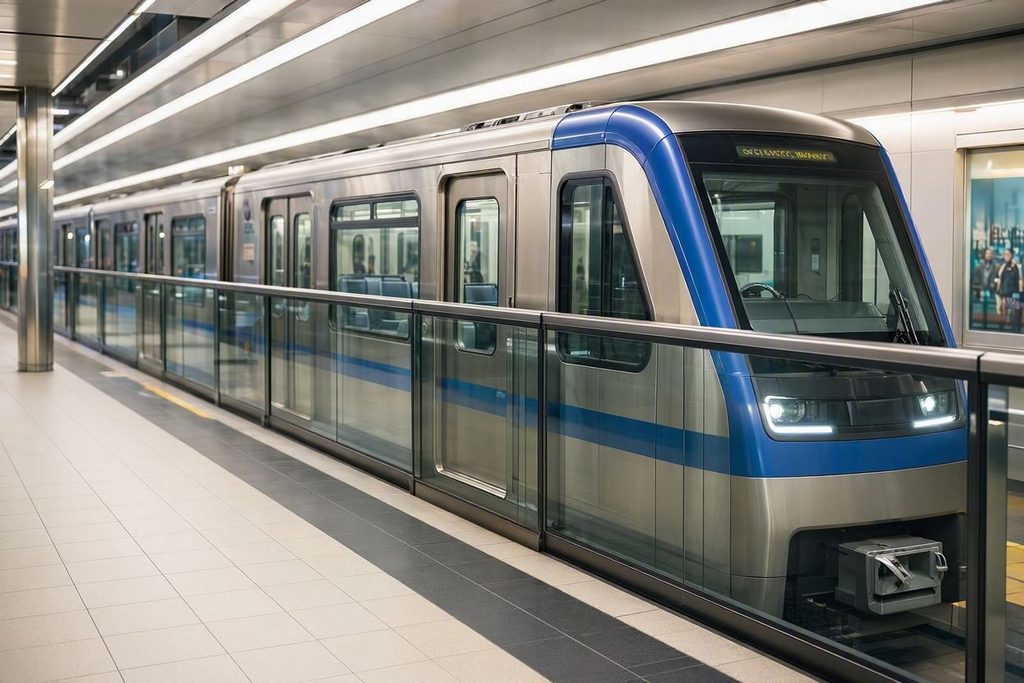
Seoul’s subway network consists of over 20 lines (Lines 1–9, Shinbundang Line, Gyeongui-Jungang Line, etc.) covering the entire metropolitan area.
Operating Hours: Generally runs from 05:30 AM to around 00:00 (Midnight).
Base Fare:₩1,550 with a transit card (additional ₩100 added every 5 km beyond the first 10 km).
Tourist-Friendly Features: All station signs, maps, and announcements are available in English, Korean, Mandarin, and Japanese. Every station also has a unique 3-digit Station Number for easy navigation.
🚇 Subway Etiquette & Rules
Passing the Gate: Simply tap your card on the reader on top of the turnstile (Beep!).
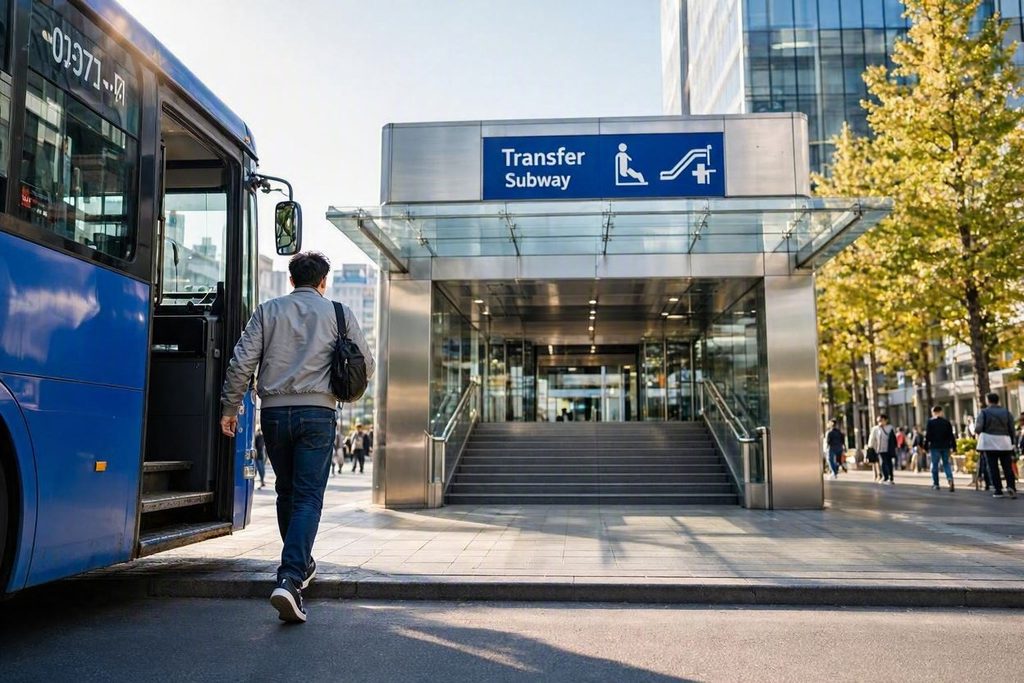
Transferring: Follow the color-coded arrows and ‘Transfer’ signs to switch between lines.
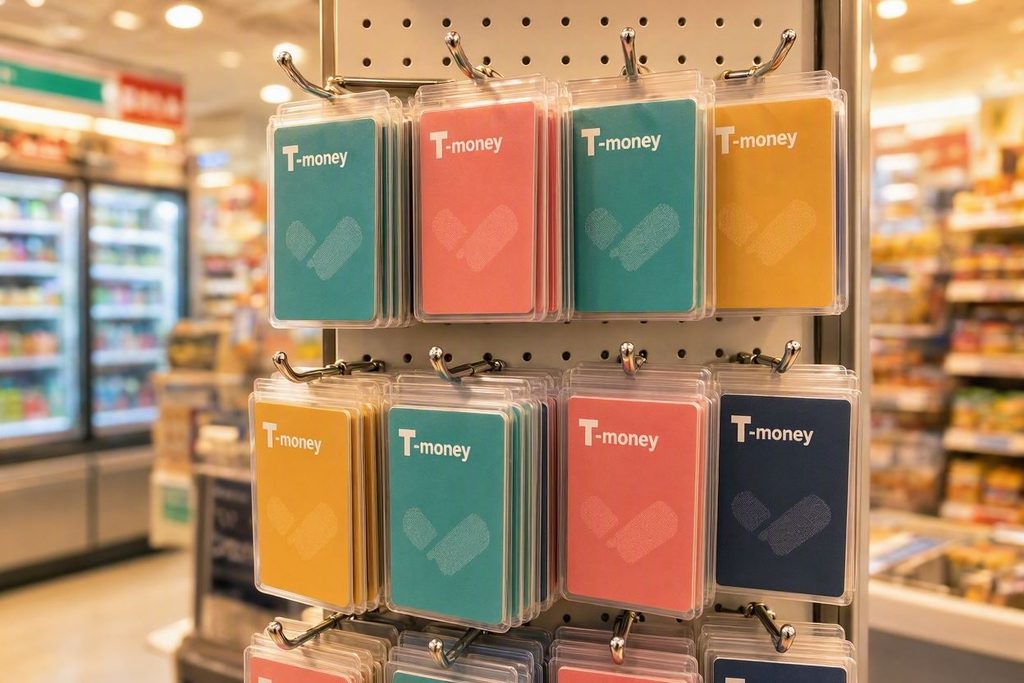
Where to Buy: Airport kiosks, subway station machines, and convenience stores (CU, GS25, Seven-Eleven).
How to Reload: Top up with Korean Won (Cash) at any subway station or convenience store.
Perks: Discounted fares + Free Transfer Discounts.
② Short-Term Climate Card
Unlimited public transit pass designed for tourists staying 1 to 7 days in Seoul (Prices range from ₩5,000 for 1-day to ₩20,000 for 7-days).
③ Single Journey Ticket (Subway Only)
Purchased at subway ticket machines using cash (Fare + ₩500 refundable deposit).
You can claim your 500 Won deposit back at the “Deposit Refund Device” at your destination station. (Does NOT support bus transfers).
5. Transfer Discount Rules
Seoul’s integrated transit system allows seamless transfers between subways and buses, saving you a lot of money!
Transfer Window: Within 30 minutes after tapping out (extended to 60 minutes between 21:00 and 07:00).
Max Transfers Allowed: Up to 4 transfers (5 total trips) per day.
Crucial Rules:
Transfers do NOT apply if you re-board a bus with the exact same route number.
You MUST tap out when exiting. Failing to tap out forfeits your transfer discount and incurs penalty fares.
6. Real Practical Tips from a Seoul Local 💡
1. Use Real-Time Bus Arrival Displays
Bus stops in Seoul feature digital screens showing real-time arrival estimates down to the minute. Outside of rush hours, taking a center-lane bus is a fantastic way to tour the city above ground.
2. Need to be On Time? Take the Subway!
If you have a tight schedule or a reservation, always take the subway. It is perfectly punctual and immune to traffic jams.
3. Skip Taxis & Download Local Map Apps
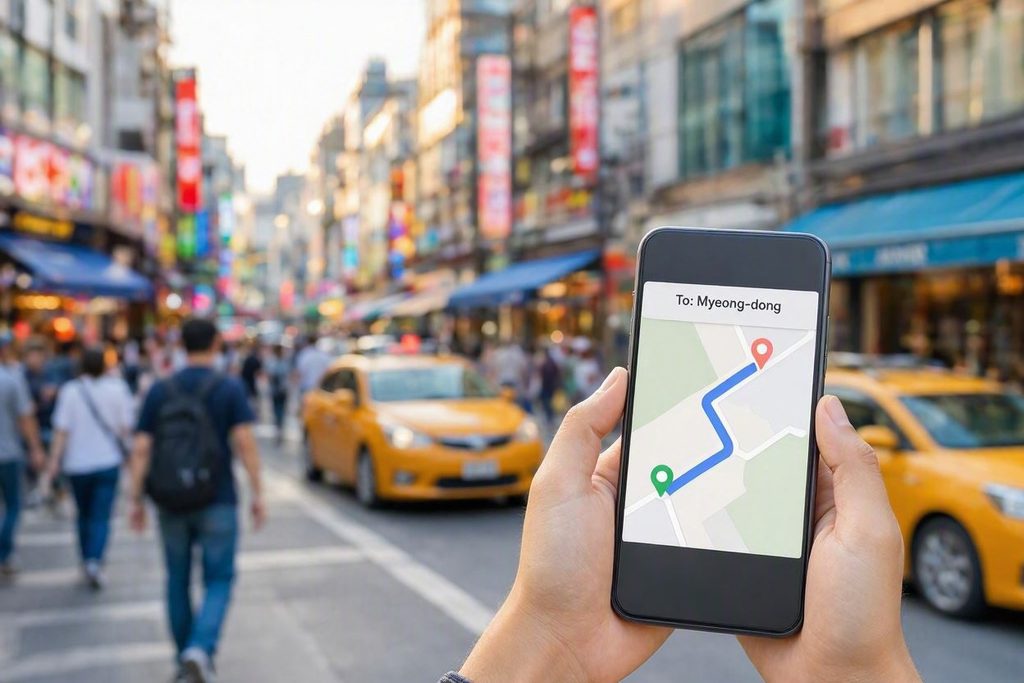
Taxis in Seoul are pricey and often get stuck in traffic. Note that Google Maps walking directions do not work properly in South Korea. Make sure to download ‘Naver Map’ or ‘KakaoMap’ for accurate turn-by-turn navigation!
4. Don’t Hesitate to Ask Locals for Help
Korean locals are extremely friendly and helpful toward foreign travelers. Even if there is a language barrier, show your destination on a map or translation app, and they will gladly guide you. It’s one of the best parts of traveling in Korea!
답글 남기기